I Thought Getting a Mortgage Was the Hard Part — Living With One Taught Me More About Money Than Anything Else
The first time I seriously looked into buying a home, I made a classic mistake.
I focused entirely on the monthly payment.
That was it.
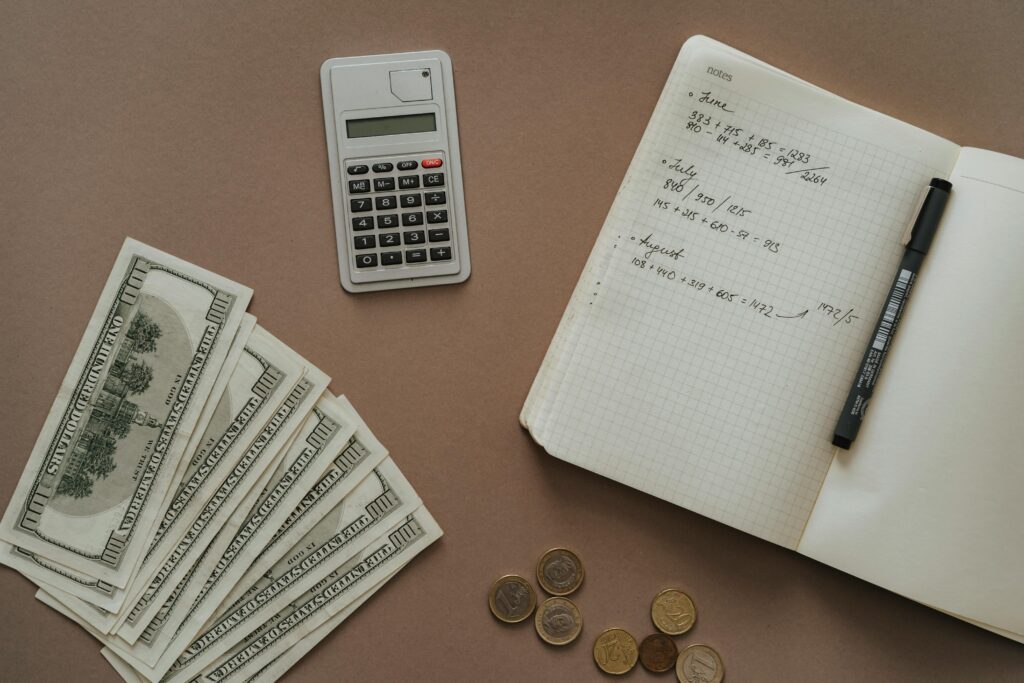
I saw a number that looked manageable, used an online mortgage calculator for five minutes, and convinced myself I was financially ready.
A few months later, after dealing with paperwork, inspections, fees, insurance, and actual monthly ownership costs, I realized how little I understood about mortgages.
Nobody really prepares you for how emotional the process can become.
At first, buying a home feels exciting. You imagine having your own place, decorating rooms, building stability, and finally escaping rent increases. Then the paperwork starts. Suddenly, there are interest rates, credit checks, down payments, lender fees, property taxes, insurance costs, and terms that sound designed to confuse normal people.
I remember sitting at my kitchen table late at night comparing loan offers while opening ten browser tabs trying to understand what half the financial terms actually meant.
And honestly, that confusion is normal.
A mortgage is probably one of the biggest financial commitments most people will ever make. The problem is that many first-time buyers enter the process emotionally instead of financially prepared.
I definitely did.
The Biggest Mortgage Mistake I Nearly Made
I almost bought more house than I could realistically afford.
Not because the bank forced me to.
Because I let excitement influence my thinking.
Mortgage lenders often approve people for amounts that look impressive on paper. The danger is assuming approval means comfort.
There’s a huge difference between:
- technically affording a home
- comfortably living with the payment every month
I learned this after speaking with a friend who bought a house at the very top of his approved budget.
For the first year, almost every unexpected expense stressed him out:
- appliance repairs
- rising utility bills
- furniture costs
- maintenance
- insurance increases
The mortgage payment itself wasn’t the only issue. Homeownership comes with constant secondary costs people underestimate badly.
That conversation changed how I approached the entire process.
The Real Cost of a Mortgage Isn’t Just the Loan
This is something I wish more people explained honestly.
When I first calculated mortgage costs, I focused on:
- principal
- interest
That’s it.
But the actual monthly ownership cost included:
- property taxes
- home insurance
- maintenance
- repairs
- utility changes
- homeowner association fees in some areas
And small things add up fast.
One month it was plumbing.
Another month it was electrical work.
Then appliances started failing.
Renters call landlords.
Homeowners call their bank account.
That reality doesn’t mean buying a house is bad. It just means the full picture matters.
How I Started Understanding Mortgages Properly
Once I stopped treating the process emotionally, things became clearer.
I started using tools like:
- Zillow
- Redfin
- Rocket Mortgage
- mortgage calculators from banks and financial websites
I spent time comparing:
- loan terms
- fixed vs adjustable rates
- estimated taxes
- total repayment amounts
- interest differences over time
One thing shocked me immediately:
Even a small difference in interest rates can change total repayment costs dramatically over decades.
That’s when mortgages stopped feeling like “monthly payments” and started feeling like long-term financial systems.
Fixed Rate vs Adjustable Rate: What Actually Matters
I remember being tempted by an adjustable-rate mortgage because the initial monthly payment looked cheaper.
Lower payments sound attractive when you’re trying to buy your first home.
But after talking to homeowners who experienced rising interest rates later, I became much more cautious.
A fixed-rate mortgage gave me predictability.
I knew:
- what my base payment would look like
- how to budget long term
- what to expect financially
That stability mattered more to me than saving a little upfront.
Some people handle adjustable loans well, especially if they plan to move quickly. But personally, I valued consistency over uncertainty.
The Down Payment Lesson Nobody Warned Me About
I spent years thinking:
“If I save enough for the down payment, I’m ready.”
Not exactly.
Closing costs surprised me completely.
There were:
- legal fees
- inspections
- lender charges
- insurance payments
- moving costs
- immediate repair expenses
After everything was finalized, I understood why experienced homeowners always recommend keeping extra cash reserves.
Buying the house is one financial event.
Living in it comfortably is another.
Why I’m Glad I Didn’t Rush the Process
At one point, I almost bought a property because I felt pressure.
Friends were buying homes.
Rates were changing.
Everyone online kept talking about “buy now before prices rise.”
That pressure creates dangerous decisions.
I eventually slowed down and gave myself time to:
- compare lenders
- review contracts carefully
- calculate full monthly costs
- inspect properties properly
- understand long-term affordability
That pause probably saved me from buying the wrong house.
Buying property emotionally is risky because homes naturally trigger emotional thinking.
People picture future memories before calculating future expenses.
The Mortgage Approval Process Was More Exhausting Than I Expected
Nobody warned me how much documentation lenders request.
I had to provide:
- bank statements
- income verification
- tax records
- employment details
- debt information
And every time I thought I finished, another request appeared.
The process felt invasive sometimes, but I eventually understood why lenders analyze financial stability so carefully.
One thing I learned quickly:
Avoid making major financial changes during mortgage approval.
A friend financed a car while waiting for mortgage approval and nearly complicated his loan process completely.
Lenders watch financial behavior closely during that period.
The Unexpected Emotional Side of Having a Mortgage
This surprised me most.
Owning a home changes how you think about money.
Before my mortgage, financial planning felt optional sometimes.
Afterward, budgeting became much more intentional because housing costs are serious long-term responsibilities.
At first, that pressure felt stressful.
But over time, something interesting happened:
I became financially more disciplined overall.
I:
- tracked spending more carefully
- built emergency savings faster
- reduced unnecessary debt
- became less impulsive financially
The mortgage forced structure into my finances.
The Emergency Fund Became Non-Negotiable
This is one lesson I repeat constantly now.
If you own a home, unexpected costs are guaranteed eventually.
Not maybe.
Eventually.
Things break.
Repairs happen.
Costs rise.
Without emergency savings, those situations become financially overwhelming fast.
I learned this after a water heater failed unexpectedly during an already expensive month.
That repair alone completely changed how seriously I viewed emergency funds.
Now I keep separate savings specifically for:
- repairs
- maintenance
- unexpected home expenses
That buffer creates peace of mind.
Common Mortgage Mistakes I’ve Seen People Make
Buying Based on Maximum Approval
Just because a lender approves a certain amount doesn’t mean it’s comfortable financially.
Leave room in your budget for real life.
Ignoring Maintenance Costs
Many first-time buyers think only about loan payments.
Homes constantly require small repairs and upkeep.
Those costs add up over time.
Focusing Only on Monthly Payments
Lower monthly payments can sometimes mean paying much more long term.
Always check:
- total repayment cost
- interest amounts
- loan duration
Skipping Proper Research
Mortgages are long-term commitments.
Comparing lenders, rates, and loan structures matters more than people think.
Even small differences become significant over decades.
Draining All Savings for the Down Payment
This is risky.
Owning a home without emergency savings creates serious stress when problems appear.
The Mortgage Tools That Actually Helped Me
I used several platforms while researching and comparing homes:
Zillow
Helpful for browsing homes, estimated payments, and market comparisons.
Redfin
I liked the cleaner interface and local market insights.
Rocket Mortgage
Useful for understanding loan estimates and approval basics.
Mortgage Calculators
Honestly underrated.
I spent hours testing different:
- interest rates
- down payments
- loan lengths
- tax estimates
Those calculations gave me a much more realistic understanding of affordability.
What I Wish Someone Had Told Me Earlier
A mortgage is not just a financial transaction.
It changes your relationship with money, stability, planning, and risk.
The smartest thing I did during the process wasn’t finding the “perfect” interest rate.
It was staying realistic about what I could comfortably handle month after month.
There’s a huge emotional temptation to stretch your budget for a dream home.
But financial peace inside a slightly smaller house feels much better than constant stress inside a bigger one.
That’s something mortgage calculators don’t really show you.
And honestly, learning that lesson probably protected my finances more than anything else during the entire home-buying process.