I Used to Think Preparation Was Overthinking Until Life Became Unpredictable
A few years ago, I had one of those months where everything seemed to go wrong at the same time.
My laptop suddenly stopped working during a freelance deadline.
A family emergency appeared out of nowhere.
A payment I was expecting got delayed.
And to make things worse, I had almost no backup plan for any of it.
I remember sitting late at night trying to figure out which problem to solve first while realizing something uncomfortable:
I had spent years planning for normal life, but almost no time preparing for uncertain life.
That experience changed the way I think about preparation completely.
Before that, I associated “preparing for uncertainty” with overly cautious people who expected disasters all the time. I thought staying positive and working hard would naturally keep things stable.
But real life doesn’t work that way.
Unexpected things happen to almost everyone eventually:
- job changes
- health issues
- financial setbacks
- broken devices
- family emergencies
- unstable income
- economic changes
- burnout
- accidents
- sudden responsibilities
The people who handle uncertainty best usually aren’t the smartest or luckiest.
They’re the ones who prepared quietly before problems appeared.
The Biggest Mistake I Made Was Assuming Stability Would Continue Forever
This is more common than people realize.
When life feels stable for a while, it’s easy to assume that stability is permanent.
I did that with:
- money
- work
- health
- routines
- relationships
- technology
I thought:
“My laptop works fine.”
“My income is steady.”
“I’ll deal with problems later if they happen.”
Then several unexpected situations arrived close together and exposed how fragile my systems actually were.
That was frustrating at first, but honestly, it became one of the most useful lessons I’ve learned as an adult.
Preparing for Uncertainty Isn’t About Fear
This took me time to understand.
A lot of people hear “prepare for uncertainty” and imagine extreme survival planning or constant anxiety.
That’s not what I mean at all.
Real preparation is usually practical and calm.
It means:
- building financial buffers
- protecting important data
- learning adaptable skills
- reducing unnecessary risks
- creating backup options
- thinking slightly ahead instead of reacting constantly
The goal isn’t becoming paranoid.
The goal is reducing chaos when life becomes unpredictable.
The First Time Backup Systems Saved Me
After losing important work files once due to a hard drive issue, I became obsessive about backups.
At the time, I thought:
“It probably won’t happen again.”
That’s usually how preventable problems start.
Now I use:
- Google Drive
- Dropbox
- external SSD backups
- automatic sync systems
A few months later, another device problem happened.
This time I didn’t panic because my files were already protected.
That experience taught me something important:
Preparation feels unnecessary right up until the moment it becomes valuable.
Financial Uncertainty Hits Harder Without Preparation
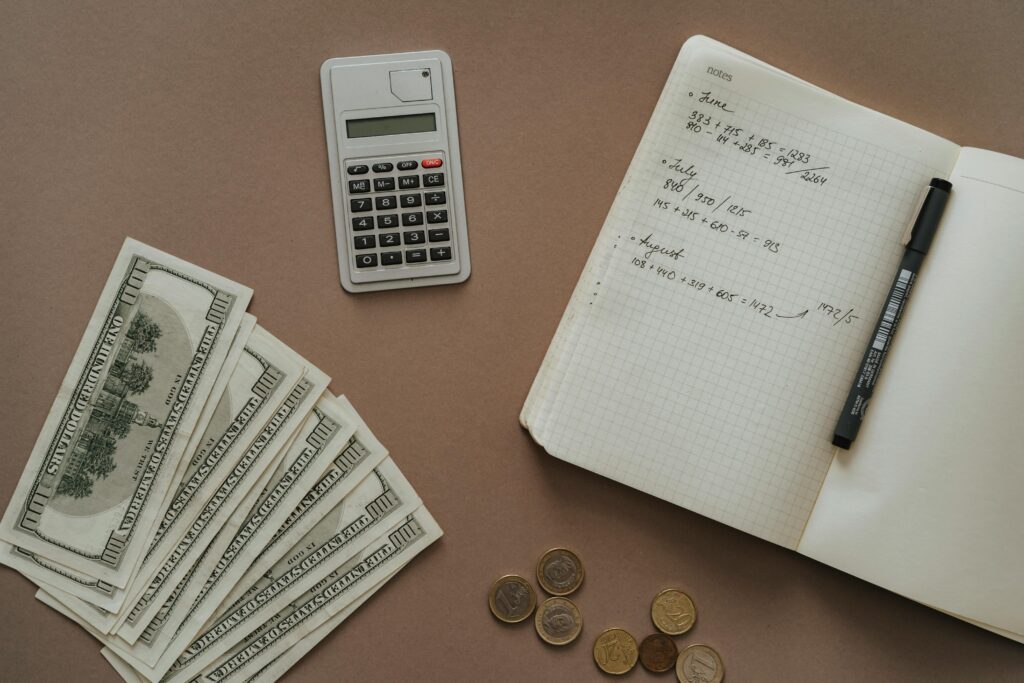
Money problems become much more stressful when you have zero margin for error.
I learned this after dealing with irregular freelance income for a while.
Some months were great.
Other months were unpredictable.
At first, I handled money reactively:
- spending freely during good months
- stressing during slow months
- relying on optimism instead of planning
Eventually I changed my approach.
I started:
- building emergency savings
- reducing unnecessary subscriptions
- tracking recurring expenses
- creating small financial buffers
I used:
- YNAB
- Google Sheets
- banking alerts and reminders
None of these made life perfect.
But they made uncertainty less overwhelming.
One Skill Became More Valuable Than I Expected: Adaptability
For a long time, I thought success came mostly from specialization.
And yes, expertise matters.
But uncertainty rewards adaptability too.
I noticed that people who recover fastest during difficult periods usually know how to:
- learn quickly
- adjust routines
- manage stress
- communicate well
- solve unfamiliar problems
- stay calm during changes
That applies to careers especially.
Technology changes fast.
Industries shift.
Jobs evolve.
The ability to adapt calmly became more useful than I expected.
I Used to Ignore Small Warning Signs
This was a major mistake.
Most serious problems don’t appear instantly.
They build quietly first.
Things like:
- burnout
- financial stress
- technical problems
- health issues
- unstable routines
Usually there are early signals people ignore.
I ignored:
- exhaustion
- overspending
- poor sleep
- weak savings
- lack of backups
- unhealthy work habits
Preparation often starts with paying attention earlier.
Building an Emergency Fund Changed My Stress Levels Completely
I know emergency savings sound boring.
Honestly, I ignored the idea for years because it felt less exciting than investing, upgrading tech, or increasing income.
Then real emergencies happened.
Once I built even a modest emergency fund, something changed mentally:
I stopped panicking over every unexpected expense.
That emotional relief mattered more than the actual amount sometimes.
Even small financial buffers create breathing room during uncertainty.
Technology Makes Life Easier — But Also More Fragile
This became obvious to me after multiple situations involving:
- device failures
- account lockouts
- internet problems
- lost files
- security issues
Now I take digital preparation seriously.
I use:
- Bitwarden
- two-factor authentication
- cloud backups
- recovery emails
- offline copies of important files
People often focus on convenience but ignore digital resilience.
That becomes risky once work, communication, banking, and memories all depend heavily on technology.
The Emotional Side of Uncertainty Is Harder Than the Practical Side
This surprised me most.
Usually the hardest part of uncertainty isn’t the actual problem.
It’s the mental reaction to losing control.
Humans naturally like predictability:
- routines
- stable income
- familiar systems
- clear plans
Uncertainty creates anxiety because it interrupts certainty.
I struggled with this badly during periods where multiple areas of life felt unstable simultaneously.
What helped most wasn’t pretending uncertainty didn’t exist.
It was learning that I could still function even when life felt unclear.
That’s a different kind of confidence.
Practical Ways I Started Preparing for Uncertainty
Not extreme preparation.
Just realistic systems.
Keeping Backup Savings
Even small emergency funds reduce panic dramatically.
Backing Up Important Files
This saved me multiple times already.
Reducing Unnecessary Debt
Financial obligations become much heavier during unstable periods.
Learning Multiple Skills
Depending entirely on one skill or income source can become risky.
Maintaining Physical and Mental Health
Stress becomes harder to handle when your body and mind are already exhausted.
Organizing Important Information
I now keep:
- passwords secured
- important documents organized
- backup contacts available
- financial reminders scheduled
Small organization prevents larger problems later.
One of the Hardest Lessons I Learned
Preparation often feels unnecessary during good times.
That’s why many people delay it.
But uncertainty rarely schedules itself conveniently.
The best time to prepare emotionally, financially, and practically is usually before life forces you to.
I learned that lesson slowly through mistakes.
Common Mistakes People Make When Life Feels Stable
I personally made most of these.
Assuming Current Conditions Will Last Forever
Stable periods create false confidence easily.
Depending on One Income Source Completely
Unexpected changes happen faster than people expect sometimes.
Ignoring Burnout Until It Becomes Serious
Mental exhaustion builds gradually.
Keeping No Backup Systems
Whether financial or digital, backups matter.
Avoiding Difficult Conversations or Planning
Many people postpone preparation because uncertainty feels uncomfortable to think about.
That discomfort eventually becomes more expensive later.
The Unexpected Benefit of Being Prepared
This surprised me.
Preparation doesn’t just help during emergencies.
It also improves daily peace of mind.
You think more clearly.
You panic less.
You make calmer decisions.
You recover faster when things go wrong.
That emotional stability matters a lot.
What Preparing for Uncertainty Means to Me Now
It no longer means expecting disaster constantly.
It means respecting reality honestly.
Life changes.
Technology fails.
People struggle.
Expenses appear.
Careers shift.
Unexpected situations happen.
Preparation is simply reducing the damage when uncertainty arrives.
These days I still face unpredictable situations sometimes.
Everyone does.
The difference now is that uncertainty feels less like complete chaos and more like something manageable.
Not because I control life perfectly.
Nobody does.
But because I finally stopped assuming stability was guaranteed and started building systems that could survive difficult periods too.
Honestly, that mindset shift made me feel stronger and calmer than chasing perfect stability ever did.